
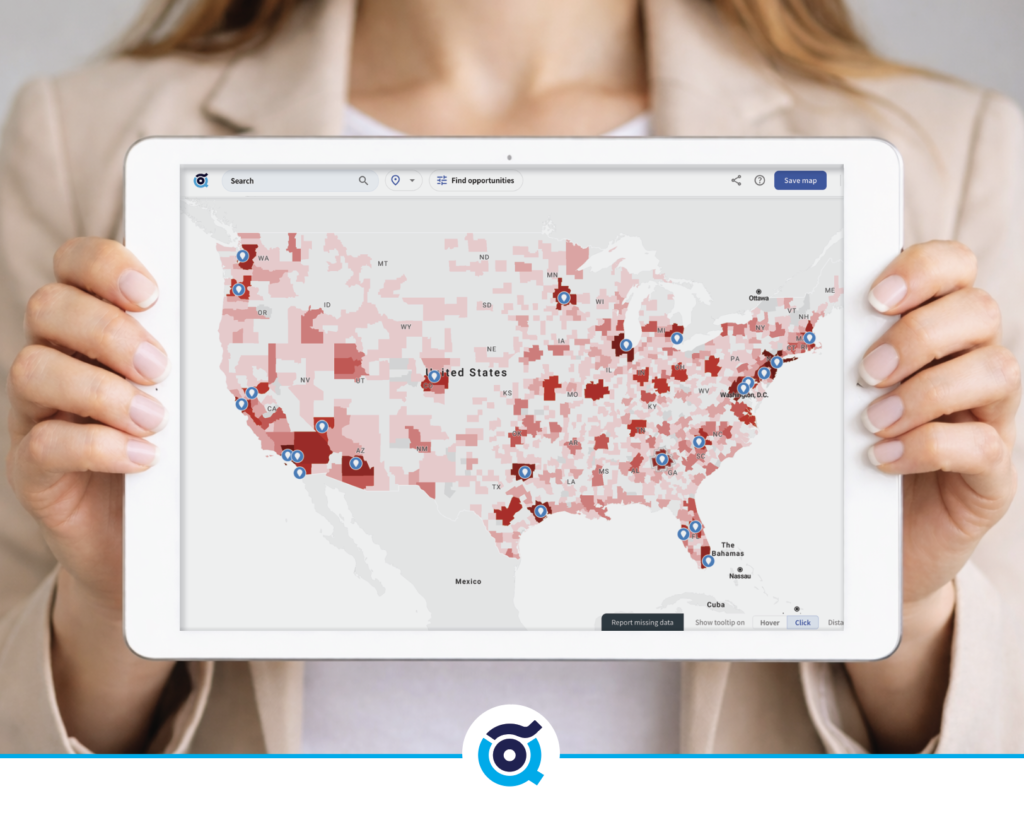
See the 2025 Occupancy Data Your Competitors Missed
For decades, the self-storage industry made billions of dollars of investment decisions each year without access to verified, facility level operating performance.
Unlike rental rates or construction activity, occupancy and in place financials were never systematically available. Market participants were forced to rely on proxy signals such as advertised rates, supply pipelines, demographic trends, and anecdotal guidance, with limited visibility into how individual facilities were actually performing.
While access to operating performance has long been standard across other institutional real estate asset classes, it has historically been absent in self-storage. As capital has become more selective and underwriting scrutiny has intensified, the limits of proxy-based underwriting in self-storage have become impossible to ignore. That era is over.
Fill in the form to instantly receive the 2025 Self-Storage Occupancy Report.












Key Takeaways
Verified, Facility-Level Occupancy Is Now Available. Self-storage occupancy no longer has to be estimated. This report shows how TractIQ sources facility-level occupancy directly from CMBS disclosures, replacing market “rules of thumb” with verified operating data.
Why it matters: Underwriting decisions can now be based on actual performance, not assumptions.
Occupancy Performance Varies Widely by Market — and Asset Type.
Why it matters: Investors and operators can no longer rely on broad market averages when evaluating deals.
Self-Storage Is Entering a More Normalized Operating Environment
Why it matters: This signals a shift from momentum-driven underwriting to discipline-driven underwriting.
Occupancy Trends Are a Leading Indicator for Deal Quality
Why it matters: Buyers can identify risk earlier, and sellers must support pricing with real operating data.
The Standard for Self-Storage Underwriting Has Changed
Why it matters: Those still relying on surveys and estimates are now at a competitive disadvantage.
